

What Is Sankt Hans Aften?

On the evening of June 23rd, something magical happens across Denmark. As the longest days of the year stretch toward midnight, thousands of bonfires are lit on beaches, in parks, and in town squares from one end of the country to the other. Families gather around the flames, songs are sung, sausages are roasted on long sticks, and a witch effigy slowly burns atop each fire. Welcome to Sankt Hans Aften — Denmark’s midsummer celebration, and one of the most atmospheric traditions the country has to offer.
For international families, it’s often a revelation: a deeply Danish tradition that most foreigners know nothing about, but which children absolutely love. If you’ve just arrived in Denmark and someone at your child’s børnehave mentions a bål or a heks, this guide will tell you everything you need to know.
What Is Sankt Hans Aften?
Sankt Hans Aften — literally “St. John’s Evening” — falls on June 23rd, the eve of the feast day of Sankt Hans (St. John the Baptist), celebrated on June 24th. It marks midsummer: the point in the year closest to the summer solstice, when the nights in Denmark barely get dark at all. In late June, the sun sets around 10pm and rises again before 4am. The sky stays pale long after most children’s bedtimes.
The tradition of lighting bonfires at midsummer is ancient, found across Scandinavia and Northern Europe, with roots stretching back long before Christianity. In Denmark, the celebration was absorbed into the Christian calendar as a feast day for St. John the Baptist — but its folk character never disappeared. Today it is entirely secular, warm, and family-friendly: a community gathering around fire, food, and song. It is not a public holiday. Schools and workplaces are open on June 23rd. The celebration happens in the evening.
What Actually Happens on a Sankt Hans Evening
There is no single official programme for Sankt Hans Every bonfire is organised slightly differently — but most follow a loose and familiar pattern:
- Arrival at the bonfire site, usually a beach (strand), park, harbour, or open outdoor area
- A short speech or introduction from an organiser or local figure
- Community singing of traditional sankthans-sange (midsummer songs) — the most famous is Midsommervisen, written by the poet Holger Drachmann, which begins with the words Vi elsker vort land (“We love our country”)
- The bonfire is lit, with the witch on top
- The witch burns — children watch in complete delight as it crumbles into the flames
- Roasting grillpølser (sausages) on long sticks over the embers — this is, without question, the children’s favourite part
- Beer and wine for adults, juice and soft drinks for children
- Lingering long after you planned to leave, because the atmosphere is simply irresistible
- The fire is usually lit at dusk — but in Denmark in June, that means 9:30pm or later.
If you have young children, either plan for a late night or attend a daytime kindergarten event instead (see below).
The Witch on the Bonfire
The most striking and distinctive feature of Sankt Hans Aften is the heks — a witch figure placed on top of every bonfire before it is lit. According to Danish folk tradition, midsummer night was when witches were said to fly to Bloksbjerg, a mythical mountain (based on the real Brocken mountain in Germany) where they gathered to dance with the devil. By burning the witch effigy on the bonfire, the community was symbolically sending her off — and protecting themselves from her mischief for the coming year.
Don’t be alarmed by this: it is entirely lighthearted and playful. The witch is a craft figure, usually made of straw, papier-mâché, or fabric, dressed in a pointed hat and holding a small broomstick. Children find it utterly thrilling.
Expat tip: Many børnehaver and schools make the witch together with the children as a craft project in the weeks leading up to Sankt Hans. Your child will likely come home very proud of the one their class made — and even more excited to see it burn on the night.
 Expat tip: Many børnehaver and schools make the witch together with the children as a craft project in the weeks leading up to Sankt Hans. Your child will likely come home very proud of the one their class made — and even more excited to see it burn on the night.
Sankt Hans at Your Child’s Kindergarten
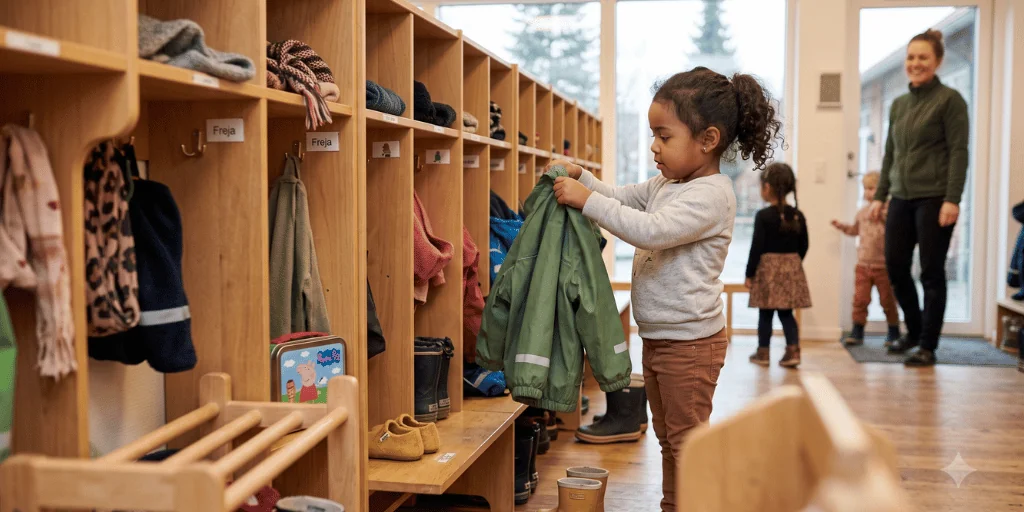
Many børnehaver and folkeskoler organise their own Sankt Hans event in the days before June 23rd — usually during the day or early evening, to keep it manageable for small children. A typical kindergarten programme includes:
- Making the heks together as a craft activity in the preceding weeks
- Lighting a small bonfire (or a symbolic fire pit) in the garden
- Singing Midsommervisen and other traditional songs
- Roasting sausages together
- Possibly making and decorating sange-ark (song sheets) to take home.
Check your child’s Aula messages from late May onwards for details about your kindergarten’s plans. If no event is organised, this is a perfect opportunity to take your child to a public bonfire and explain the tradition — especially if they’ve made a witch at school and are excited to see one burn.
Where to Celebrate Sankt Hans Aften in Denmark
Bonfires are held all over the country on June 23rd. Here are reliable starting points for finding one near you:
Copenhagen
Numerous beaches and parks around Copenhagen hold official bonfires. Popular spots include Amager Strandpark, Bellevue Strand in Klampenborg, and Fælledparken. The City of Copenhagen publishes an annual events list at kk.dk.
Aahrus
The harbour area and nearby beaches typically host large public events. Check visitaarhus.com for the current year’s programme.
Odense and other cities
Most Danish towns and municipalities organise at least one public bonfire. Search your municipality’s website or check the local Facebook groups for expats — someone will always have posted the nearest event.
Across Denmark
Visit Denmark maintains a searchable events guide at visitdenmark.com, updated each year with local Sankt Hans events by region.
 📱 About the app
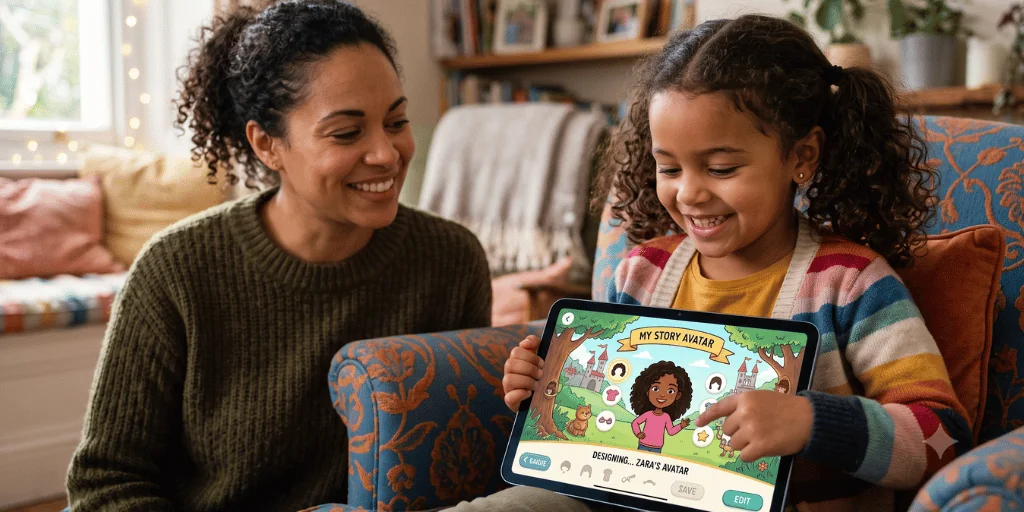
Poikilingo Kids is a Danish language learning app designed for children aged 3–6. Created by expat moms, it features mini-games built around kindergarten routines, seasonal content, and a highly inclusive avatar system. 100% ad-free and child-safe. Available on iOS and Android.